Sensing solutions for XR headsets and glasses
Engineering the invisible
Optimize beyond vision
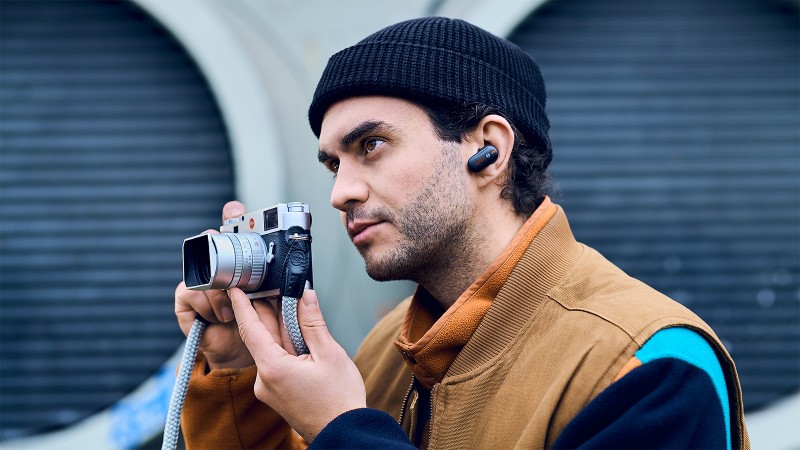
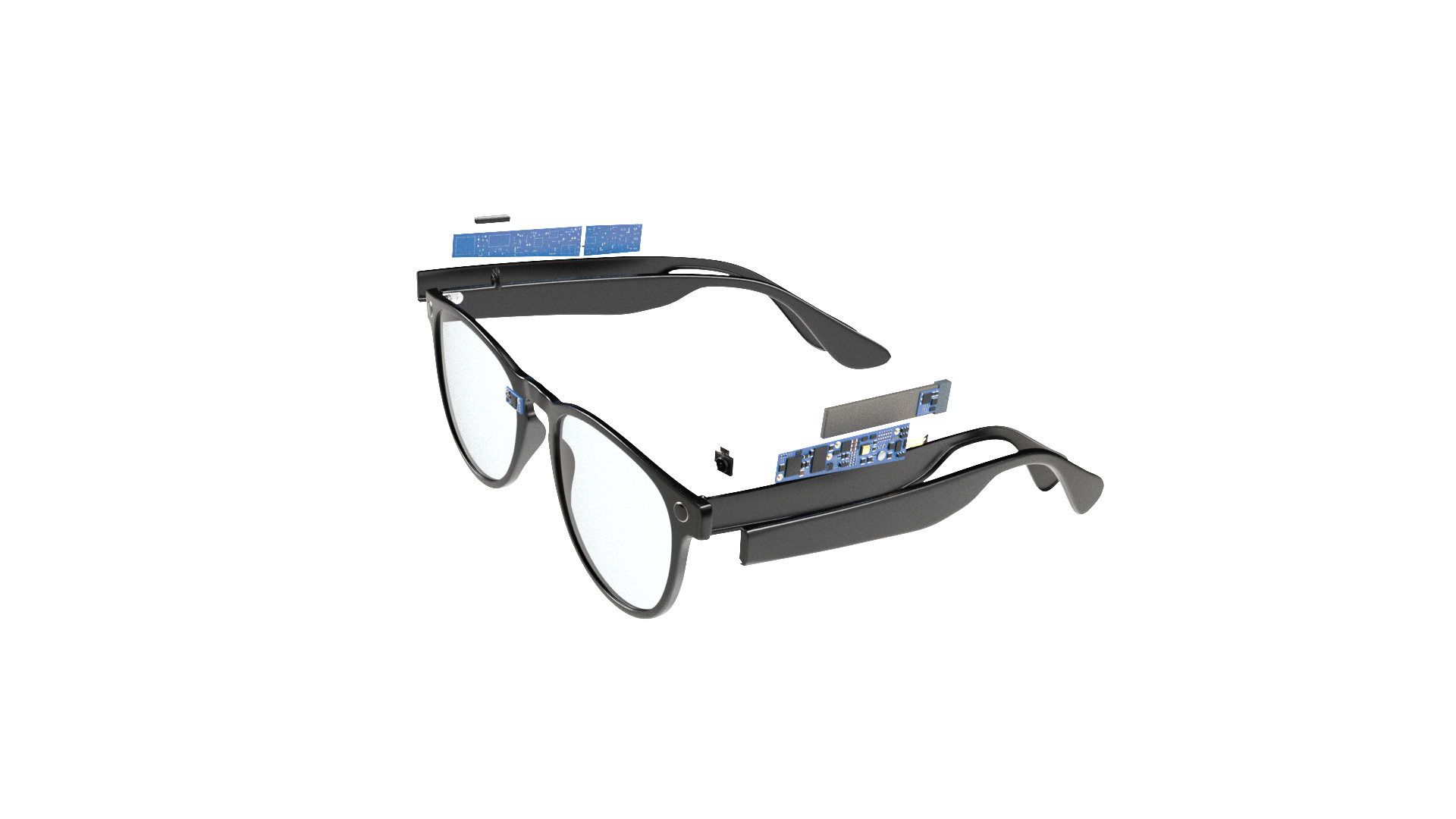
XR headsets and glasses are transforming how we interact with the digital world. They merge physical and virtual environments, digitize real-world experiences, and turn everyday eyewear into connected devices. From fully immersive headsets to voice-only AI glasses, these wearables serve a broad spectrum of user needs. Each category has distinct sensing requirements — from ultra-low latency and high precision to power efficiency and compact form factors. Bosch Sensortec offers a broad MEMS sensor portfolio that addresses these diverse needs, enabling manufacturers to deliver precise head tracking, wearing and motion detection, gesture control, and environmental awareness—while balancing performance and power efficiency across the head-worn devices.

High-performance IMU with best-in-class low-noise, minimal latency for real-time tracking and extended smart features.
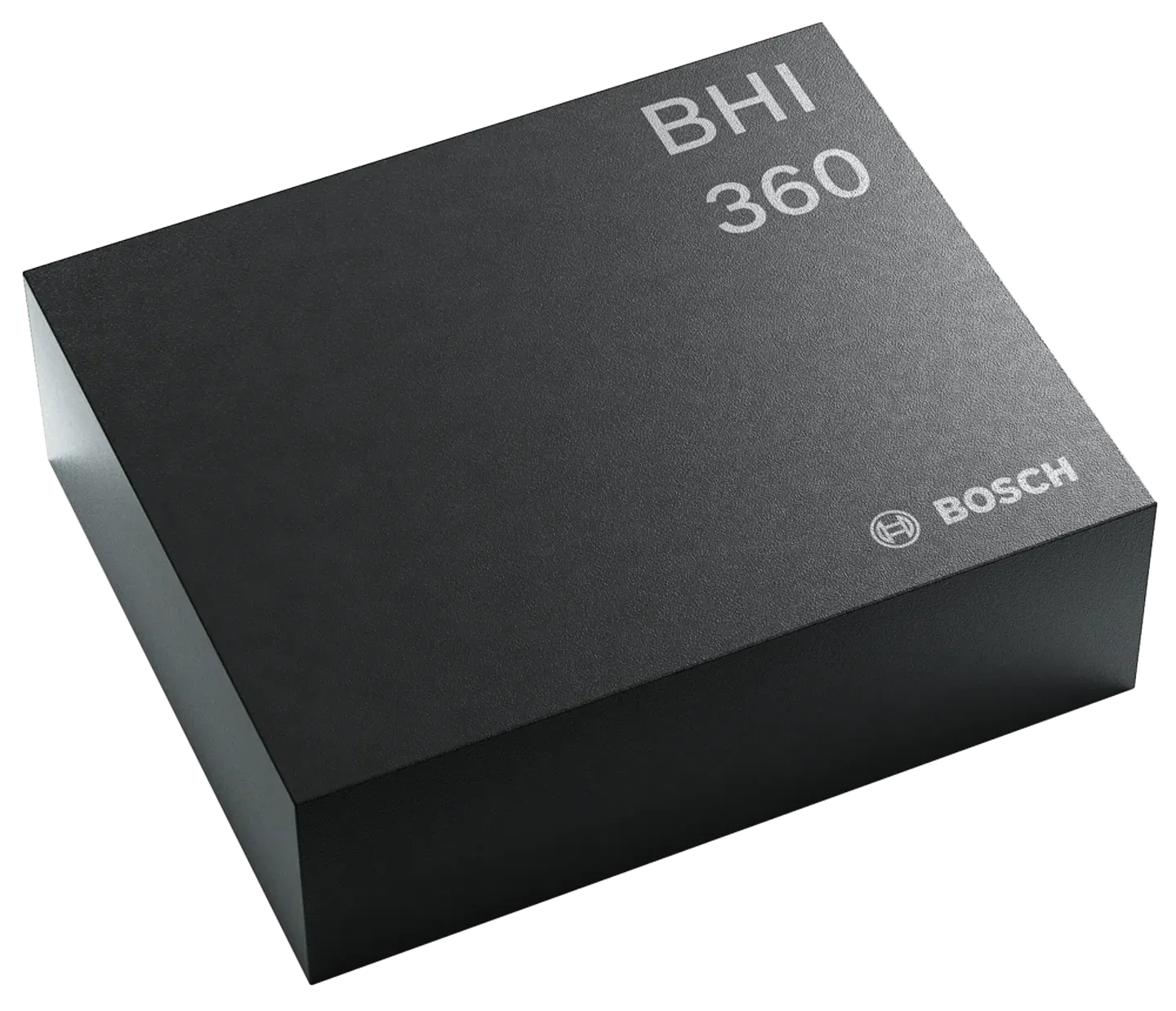
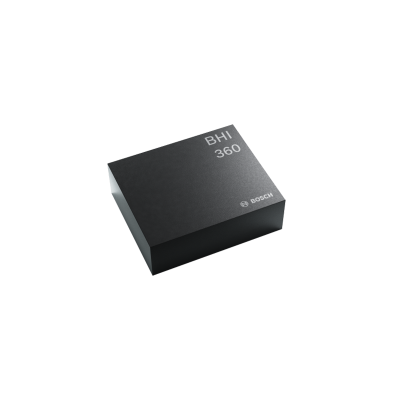
Programmable IMU offering a rich feature set including sensor fusion, head tracking and Al tools for customizable gesture recognition.
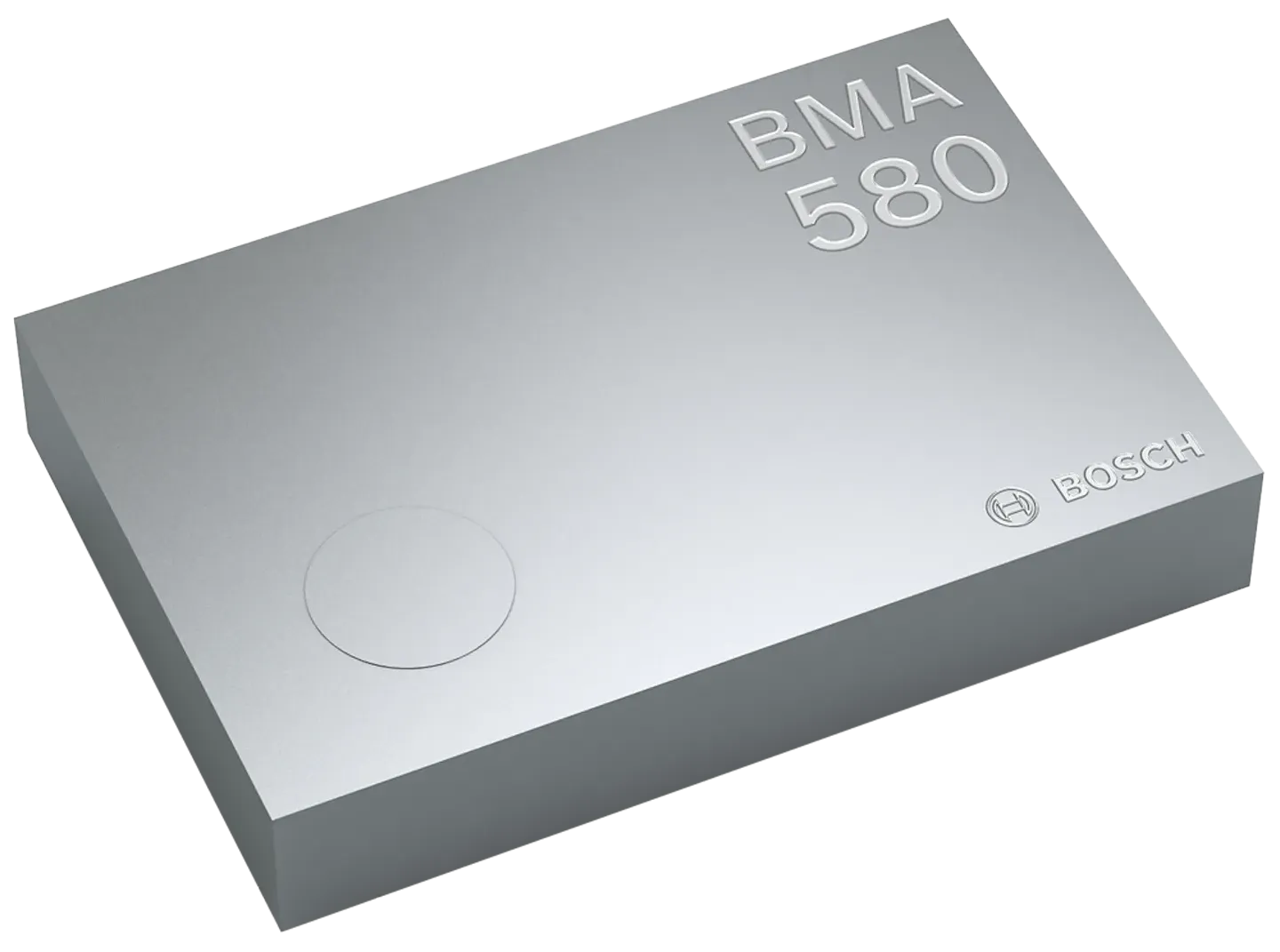
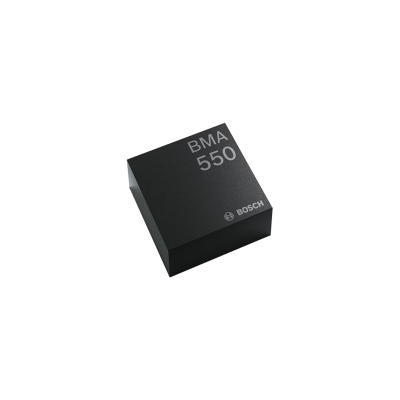
World's smallest accelerometer featuring voice activity detection and versatile multi-tap functionality.
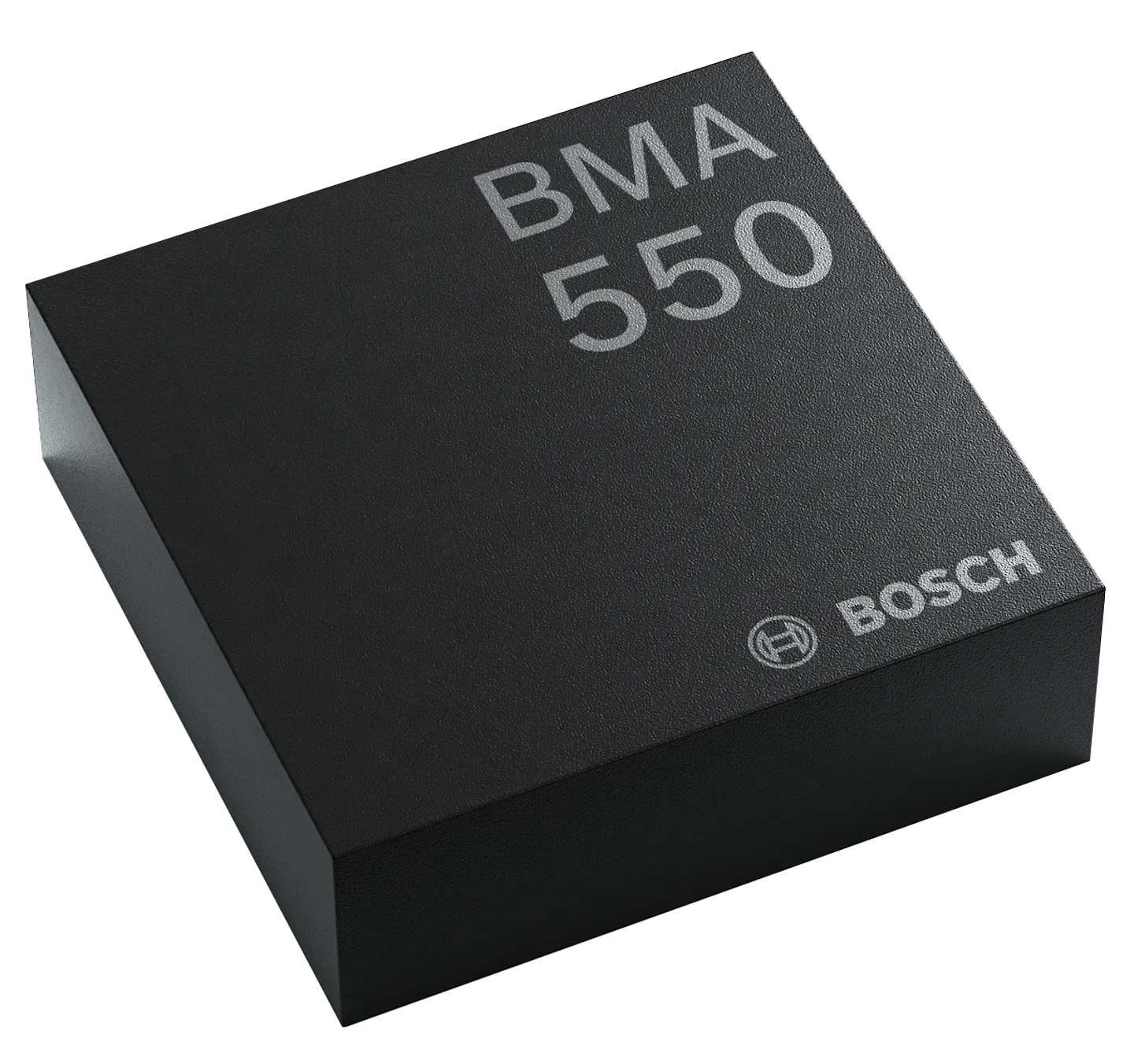
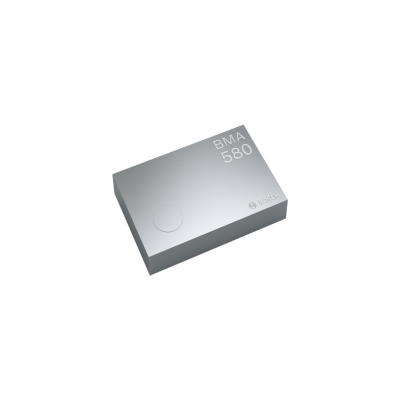
High-bandwidth, low-noise accelerometer sensing speech via bone conduction for voice activity detection, voice enhancement and keyword detection.
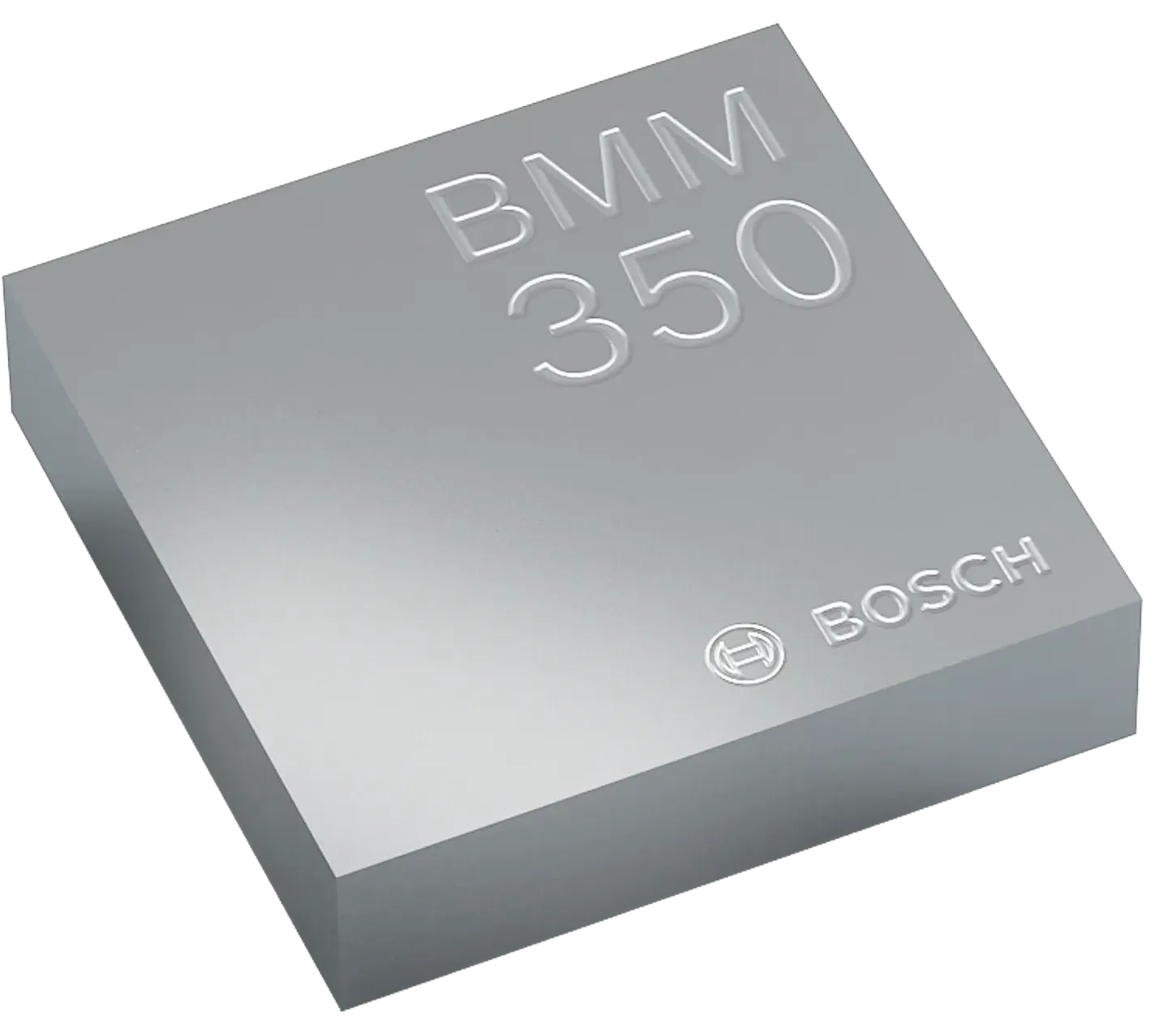
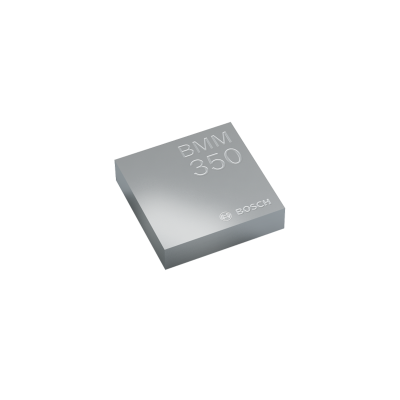
Compact, ultra-low-power TMR magnetometer with low-noise and up to 400 Hz data rate to enable always-on tracking applications.

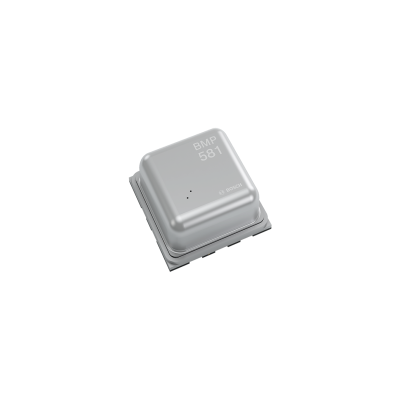
Barometric pressure sensor with cm-level accuracy and low-power consumption for elevation tracking.
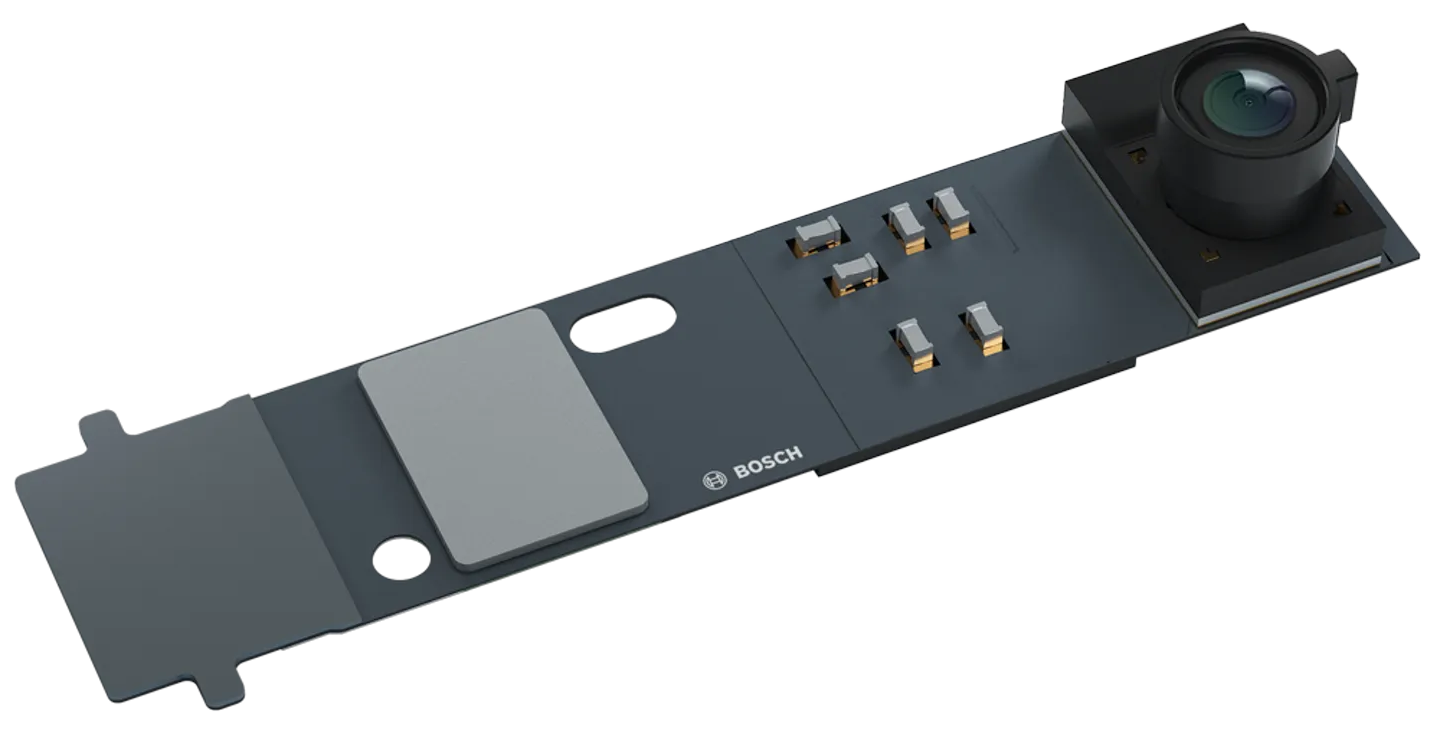
World's smallest particulate matter sensor for localized air quality monitoring (PM1/2.5/10).


Loading the video requires your consent. If you agree by clicking on the Play icon, the video will load and data will be transmitted to Google as well as information will be accessed and stored by Google on your device. Google may be able to link these data or information with existing data.
Please note: The sensors listed here are our recommendation for the specific use cases. However, Bosch Sensortec also offers additional products that may be suitable. You can explore further options in our product portfolio.
Our best fits for sensing solutions for XR headsets and glasses

FAQ
Our MEMS sensors are designed for ultra-compact wearables. They come in miniature packages and feature low-power modes such as motion/no-motion detection and smart wake-up, enabling always-on sensing without draining the battery.
Bosch Sensortec’s 6-axis and 9-axis IMUs deliver precise orientation and motion data with ultra-low latency. This ensures stable, lifelike tracking in AR/VR applications and eliminates drift that can cause user discomfort.
Yes, by using step counting and sensor-based dead reckoning, our IMUs provide reliable navigation even indoors or in dense urban areas. Barometric pressure sensors add height tracking, for example detecting floor changes in buildings.
Accelerometer data supports Voice Activity Detection (VAD) and helps improve speech clarity, even in noisy environments. This enables discreet voice control and clear communication in next-generation smartglasses. In addition, our bone-conduction sensor can be fused with microphone data to reduce background noise and emphasize the speaker’s voice.
We provide evaluation boards, sensor fusion algorithms, and software drivers that simplify design-in. Our sensors are optimized for synchronization with cameras, displays, and microphones, ensuring seamless system integration.